Buy yufl.com ?
We are moving the project
yufl.com .
Are you interested in purchasing the domain
yufl.com ?
domain@kv-gmbh.de · 0541-91531010
Buy yufl.com ?
Is Opuntia humifusa edible?
Yes, Opuntia humifusa, also known as the Eastern prickly pear, is edible. The pads, or nopales, can be cooked and eaten as a vegetable, while the fruits, known as tunas, can be eaten raw or used to make jams and jellies. However, it is important to carefully remove the spines before consuming the pads or fruits. Additionally, it is always best to consult a knowledgeable source or expert before foraging and consuming wild plants. **
Is Opuntia from Obi edible?
Yes, Opuntia from Obi is edible. The Opuntia cactus, also known as prickly pear, produces a fruit that is commonly consumed in many cultures. The fruit is often used to make juices, jams, and candies, and can also be eaten raw. Additionally, the pads of the Opuntia cactus, known as nopales, are also edible and are used in various culinary dishes. **

Similar search terms for Opuntia
Top-Angebote
Products related to Opuntia:

-
Is Opuntia edible from Obi?
Yes, Opuntia, commonly known as prickly pear cactus, is edible from Obi. The fruit of the Opuntia cactus, known as prickly pear, is a popular ingredient in various dishes and can be eaten raw or cooked. It is rich in vitamins, minerals, and antioxidants, making it a nutritious addition to the diet. However, it is important to properly handle and prepare the prickly pear fruit to avoid the spines on the cactus pads. **
-
What is the color of Opuntia microdasys?
Opuntia microdasys, also known as Bunny Ears cactus, typically has bright green pads covered in white or yellow glochids, which are tiny hair-like spines. The color of the pads can vary slightly depending on the amount of sunlight they receive, but they are generally a vibrant green color. **
-
What is the problem with the Opuntia?
The Opuntia, also known as the prickly pear cactus, is considered a problem in many regions due to its invasive nature. It can quickly spread and outcompete native plant species, leading to a decrease in biodiversity. Additionally, its sharp spines can pose a threat to wildlife and humans, and it can also interfere with agricultural activities by taking over grazing land and reducing crop yields. Overall, the Opuntia's ability to spread rapidly and its negative impact on ecosystems and agriculture make it a problematic species in many areas. **
-
How do you remove the spines from Opuntia microdasys?
To remove the spines from Opuntia microdasys, also known as bunny ears cactus, you can use a pair of kitchen tongs or tweezers to carefully grasp the spines and gently pull them off. Alternatively, you can use a small, sharp knife to carefully scrape the spines off the surface of the cactus pads. It's important to be very gentle and cautious when removing the spines to avoid damaging the cactus or injuring yourself. It's also a good idea to wear gloves to protect your hands from the spines. **


What is the survival rate of a large Opuntia cutting?
The survival rate of a large Opuntia cutting is generally quite high, as these plants are known for their ability to easily propagate from cuttings. When a large cutting is taken from an Opuntia, it has a good chance of surviving and developing roots if it is allowed to callus over for a few days before being planted in well-draining soil. With proper care and maintenance, the cutting can establish itself and grow into a new Opuntia plant. Overall, the survival rate of a large Opuntia cutting is favorable under the right conditions. **
How do I remove the spines from an Opuntia cactus?
To remove the spines from an Opuntia cactus, you can use a pair of tongs or tweezers to carefully grasp the spines and pull them out. Another method is to use a small, sharp knife to carefully scrape the spines off the cactus pads. It's important to be gentle and cautious when removing the spines to avoid injuring yourself or damaging the cactus. Additionally, wearing gloves can help protect your hands from the spines. **
Top-Angebote
Products related to Opuntia:
-
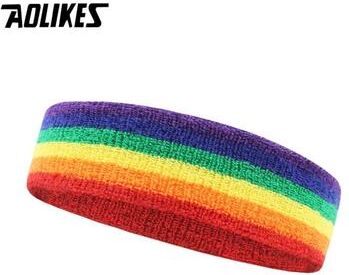
Uplift Picks AOLIKES Cotton Athletic Headband For Sports And Fitness rainbowStay focused on your performance while keeping sweat and loose hair away from your face. This soft sports sweatband is made from absorbent cotton with a stretchy fit for men and women. Its 5 by 18 cm design provides comfortable forehead coverage...37,98 $*Shipping: 0,00 $Secure redirect to the provider
-
Is Opuntia humifusa edible?
Yes, Opuntia humifusa, also known as the Eastern prickly pear, is edible. The pads, or nopales, can be cooked and eaten as a vegetable, while the fruits, known as tunas, can be eaten raw or used to make jams and jellies. However, it is important to carefully remove the spines before consuming the pads or fruits. Additionally, it is always best to consult a knowledgeable source or expert before foraging and consuming wild plants. **
-
Is Opuntia from Obi edible?
Yes, Opuntia from Obi is edible. The Opuntia cactus, also known as prickly pear, produces a fruit that is commonly consumed in many cultures. The fruit is often used to make juices, jams, and candies, and can also be eaten raw. Additionally, the pads of the Opuntia cactus, known as nopales, are also edible and are used in various culinary dishes. **
-
Is Opuntia edible from Obi?
Yes, Opuntia, commonly known as prickly pear cactus, is edible from Obi. The fruit of the Opuntia cactus, known as prickly pear, is a popular ingredient in various dishes and can be eaten raw or cooked. It is rich in vitamins, minerals, and antioxidants, making it a nutritious addition to the diet. However, it is important to properly handle and prepare the prickly pear fruit to avoid the spines on the cactus pads. **
-
What is the color of Opuntia microdasys?
Opuntia microdasys, also known as Bunny Ears cactus, typically has bright green pads covered in white or yellow glochids, which are tiny hair-like spines. The color of the pads can vary slightly depending on the amount of sunlight they receive, but they are generally a vibrant green color. **
Similar search terms for Opuntia
-
What is the problem with the Opuntia?
The Opuntia, also known as the prickly pear cactus, is considered a problem in many regions due to its invasive nature. It can quickly spread and outcompete native plant species, leading to a decrease in biodiversity. Additionally, its sharp spines can pose a threat to wildlife and humans, and it can also interfere with agricultural activities by taking over grazing land and reducing crop yields. Overall, the Opuntia's ability to spread rapidly and its negative impact on ecosystems and agriculture make it a problematic species in many areas. **
-
How do you remove the spines from Opuntia microdasys?
To remove the spines from Opuntia microdasys, also known as bunny ears cactus, you can use a pair of kitchen tongs or tweezers to carefully grasp the spines and gently pull them off. Alternatively, you can use a small, sharp knife to carefully scrape the spines off the surface of the cactus pads. It's important to be very gentle and cautious when removing the spines to avoid damaging the cactus or injuring yourself. It's also a good idea to wear gloves to protect your hands from the spines. **
-
What is the survival rate of a large Opuntia cutting?
The survival rate of a large Opuntia cutting is generally quite high, as these plants are known for their ability to easily propagate from cuttings. When a large cutting is taken from an Opuntia, it has a good chance of surviving and developing roots if it is allowed to callus over for a few days before being planted in well-draining soil. With proper care and maintenance, the cutting can establish itself and grow into a new Opuntia plant. Overall, the survival rate of a large Opuntia cutting is favorable under the right conditions. **
-
How do I remove the spines from an Opuntia cactus?
To remove the spines from an Opuntia cactus, you can use a pair of tongs or tweezers to carefully grasp the spines and pull them out. Another method is to use a small, sharp knife to carefully scrape the spines off the cactus pads. It's important to be gentle and cautious when removing the spines to avoid injuring yourself or damaging the cactus. Additionally, wearing gloves can help protect your hands from the spines. **
* All prices are inclusive of VAT and, if applicable, plus shipping costs. The offer information is based on the details provided by the respective shop and is updated through automated processes. Real-time updates do not occur, so deviations can occur in individual cases. ** Note: Parts of this content were created by AI.