Buy yufl.com ?
We are moving the project
yufl.com .
Are you interested in purchasing the domain
yufl.com ?
domain@kv-gmbh.de · 0541-91531010
Buy yufl.com ?
Is taxonomy the same as systematics?
Taxonomy and systematics are related fields within biology, but they are not the same. Taxonomy is the science of naming, defining, and classifying organisms into different categories based on their similarities and differences. Systematics, on the other hand, is the study of the evolutionary relationships between different organisms, including their classification and the reconstruction of their evolutionary history. While taxonomy focuses on the naming and categorization of organisms, systematics delves deeper into understanding the evolutionary relationships and patterns among different species. **
Can one create family trees and cladograms using taxonomy?
Yes, one can create family trees and cladograms using taxonomy. Taxonomy is the science of classifying organisms into different categories based on their characteristics and evolutionary relationships. By organizing organisms into groups based on their similarities and differences, taxonomists can create family trees that show the evolutionary history and relationships between different species. Cladograms, which are branching diagrams that show these relationships, can also be constructed using taxonomic data to visually represent the evolutionary history of a group of organisms. **
Similar search terms for Taxonomy
Top-Angebote
Products related to Taxonomy:


-
Can one create phylogenetic trees and cladograms using taxonomy?
Yes, one can create phylogenetic trees and cladograms using taxonomy. Taxonomy, the science of classifying organisms based on shared characteristics, forms the basis for constructing phylogenetic trees and cladograms. By organizing organisms into groups based on their evolutionary relationships, taxonomic classifications can be used to create visual representations of these relationships in the form of phylogenetic trees and cladograms. These tools help researchers understand the evolutionary history and relatedness of different species. **
-
What is the difference between taxonomy and nomenclature in systematics?
Taxonomy is the science of classifying and naming organisms based on their characteristics and evolutionary relationships. It involves identifying, describing, and naming species, as well as organizing them into hierarchical categories like genus and family. Nomenclature, on the other hand, is the system of rules and conventions for naming organisms. It includes the specific rules for assigning scientific names to organisms, ensuring that each species has a unique and universally recognized name. In summary, taxonomy is the science of classification, while nomenclature is the system of naming within that classification system. **
-
Why does the WordPress custom taxonomy not appear in the Gutenberg editor?
The WordPress custom taxonomy does not appear in the Gutenberg editor by default because the Gutenberg editor is designed to primarily handle content creation and editing, while taxonomies are more related to organizing and categorizing content. However, developers can enable the display of custom taxonomies in the Gutenberg editor by using custom code or plugins to integrate the taxonomies into the editor interface. This allows users to easily assign and manage taxonomy terms for their content within the Gutenberg editor. **
-
How often should one wash fitness sportswear?
It is generally recommended to wash fitness sportswear after each use. This is because sweat and bacteria can build up on the fabric, leading to unpleasant odors and potential skin irritation. Washing the sportswear after each use helps to maintain its quality and performance, as well as ensure proper hygiene. If the sportswear is particularly sweaty or soiled, it should be washed immediately to prevent bacteria growth. **
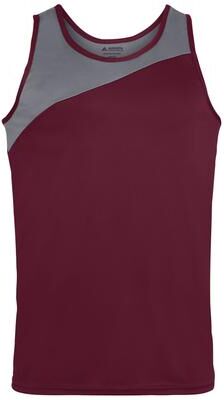

Which fitness lifestyle would you follow?
I would follow a balanced fitness lifestyle that includes a mix of cardiovascular exercise, strength training, flexibility work, and rest. I believe in the importance of variety to keep things interesting and to work different muscle groups. Additionally, I would focus on setting realistic goals, listening to my body, and making sustainable changes to my diet and exercise routine. Overall, I believe in a holistic approach to fitness that prioritizes both physical and mental well-being. **
"Does tight and close-fitting sportswear look good on a non-athletic boy?"
Tight and close-fitting sportswear can look good on anyone, regardless of their athletic ability. The most important thing is that the person wearing the sportswear feels comfortable and confident in their outfit. It's all about personal style and how the individual chooses to express themselves through their clothing. Ultimately, if the non-athletic boy feels good in the tight sportswear, then it can definitely look good on him. **
Top-Angebote
Products related to Taxonomy:
-
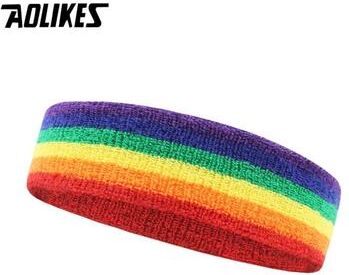
Uplift Picks AOLIKES Cotton Athletic Headband For Sports And Fitness rainbowStay focused on your performance while keeping sweat and loose hair away from your face. This soft sports sweatband is made from absorbent cotton with a stretchy fit for men and women. Its 5 by 18 cm design provides comfortable forehead coverage...37,98 $*Shipping: 0,00 $Secure redirect to the provider
-
Is taxonomy the same as systematics?
Taxonomy and systematics are related fields within biology, but they are not the same. Taxonomy is the science of naming, defining, and classifying organisms into different categories based on their similarities and differences. Systematics, on the other hand, is the study of the evolutionary relationships between different organisms, including their classification and the reconstruction of their evolutionary history. While taxonomy focuses on the naming and categorization of organisms, systematics delves deeper into understanding the evolutionary relationships and patterns among different species. **
-
Can one create family trees and cladograms using taxonomy?
Yes, one can create family trees and cladograms using taxonomy. Taxonomy is the science of classifying organisms into different categories based on their characteristics and evolutionary relationships. By organizing organisms into groups based on their similarities and differences, taxonomists can create family trees that show the evolutionary history and relationships between different species. Cladograms, which are branching diagrams that show these relationships, can also be constructed using taxonomic data to visually represent the evolutionary history of a group of organisms. **
-
Can one create phylogenetic trees and cladograms using taxonomy?
Yes, one can create phylogenetic trees and cladograms using taxonomy. Taxonomy, the science of classifying organisms based on shared characteristics, forms the basis for constructing phylogenetic trees and cladograms. By organizing organisms into groups based on their evolutionary relationships, taxonomic classifications can be used to create visual representations of these relationships in the form of phylogenetic trees and cladograms. These tools help researchers understand the evolutionary history and relatedness of different species. **
-
What is the difference between taxonomy and nomenclature in systematics?
Taxonomy is the science of classifying and naming organisms based on their characteristics and evolutionary relationships. It involves identifying, describing, and naming species, as well as organizing them into hierarchical categories like genus and family. Nomenclature, on the other hand, is the system of rules and conventions for naming organisms. It includes the specific rules for assigning scientific names to organisms, ensuring that each species has a unique and universally recognized name. In summary, taxonomy is the science of classification, while nomenclature is the system of naming within that classification system. **
Similar search terms for Taxonomy
-
Why does the WordPress custom taxonomy not appear in the Gutenberg editor?
The WordPress custom taxonomy does not appear in the Gutenberg editor by default because the Gutenberg editor is designed to primarily handle content creation and editing, while taxonomies are more related to organizing and categorizing content. However, developers can enable the display of custom taxonomies in the Gutenberg editor by using custom code or plugins to integrate the taxonomies into the editor interface. This allows users to easily assign and manage taxonomy terms for their content within the Gutenberg editor. **
-
How often should one wash fitness sportswear?
It is generally recommended to wash fitness sportswear after each use. This is because sweat and bacteria can build up on the fabric, leading to unpleasant odors and potential skin irritation. Washing the sportswear after each use helps to maintain its quality and performance, as well as ensure proper hygiene. If the sportswear is particularly sweaty or soiled, it should be washed immediately to prevent bacteria growth. **
-
Which fitness lifestyle would you follow?
I would follow a balanced fitness lifestyle that includes a mix of cardiovascular exercise, strength training, flexibility work, and rest. I believe in the importance of variety to keep things interesting and to work different muscle groups. Additionally, I would focus on setting realistic goals, listening to my body, and making sustainable changes to my diet and exercise routine. Overall, I believe in a holistic approach to fitness that prioritizes both physical and mental well-being. **
-
"Does tight and close-fitting sportswear look good on a non-athletic boy?"
Tight and close-fitting sportswear can look good on anyone, regardless of their athletic ability. The most important thing is that the person wearing the sportswear feels comfortable and confident in their outfit. It's all about personal style and how the individual chooses to express themselves through their clothing. Ultimately, if the non-athletic boy feels good in the tight sportswear, then it can definitely look good on him. **
* All prices are inclusive of VAT and, if applicable, plus shipping costs. The offer information is based on the details provided by the respective shop and is updated through automated processes. Real-time updates do not occur, so deviations can occur in individual cases. ** Note: Parts of this content were created by AI.