Buy yufl.com ?
We are moving the project
yufl.com .
Are you interested in purchasing the domain
yufl.com ?
domain@kv-gmbh.de · 0541-91531010
Buy yufl.com ?
What is a scooter brake lever?
A scooter brake lever is a component of a scooter's braking system that is used to activate the brakes. It is typically a handle or lever located on the handlebars of the scooter that the rider can squeeze or pull to engage the brakes. When the lever is activated, it applies pressure to the brake system, causing the scooter to slow down or come to a stop. The design and function of the brake lever may vary depending on the type and model of the scooter. **
Is it bad for the brake and the lever if the brake lever on the motorcycle is constantly being pressed while a brake lever lock is attached?
Yes, it is bad for the brake and the lever if the brake lever on the motorcycle is constantly being pressed while a brake lever lock is attached. Constant pressure on the brake lever can cause unnecessary wear and tear on the brake system, potentially leading to decreased braking performance and increased maintenance needs. Additionally, the constant pressure on the lever can cause the brake fluid to heat up and potentially boil, leading to brake fade and reduced stopping power. It is important to use a brake lever lock only when necessary and to release the brake lever when not in use to prevent damage to the brake system. **
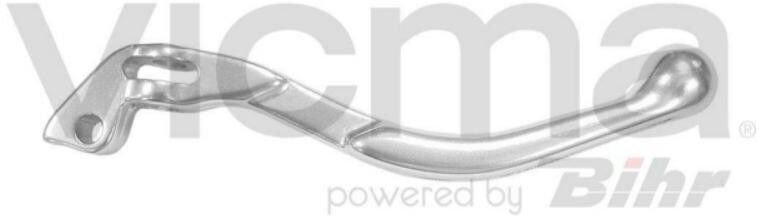

Similar search terms for VICMA-75931-Brake-Lever
Top-Angebote
Products related to VICMA-75931-Brake-Lever:

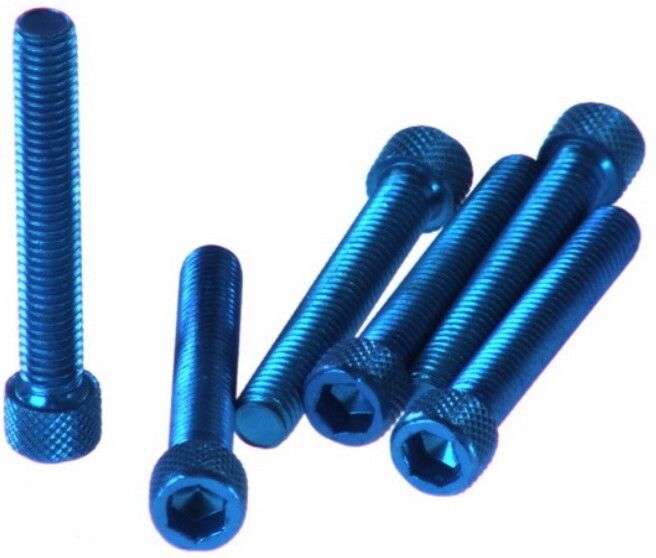
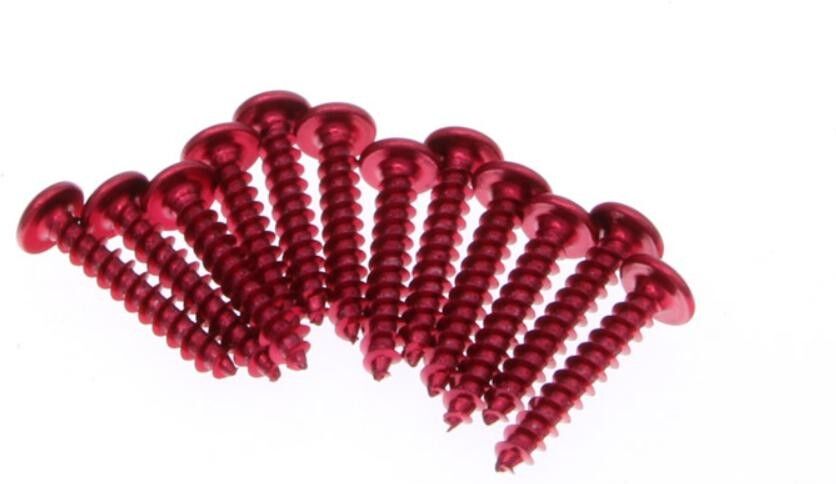
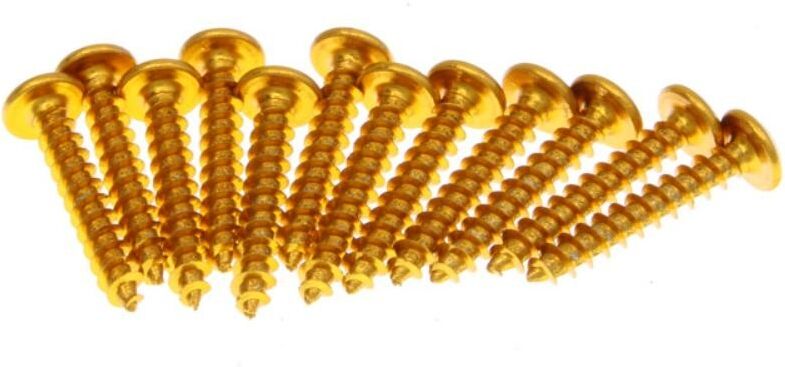
-
How do you change the brake lever?
To change the brake lever, start by loosening the bolt that secures the lever to the handlebar. Once the bolt is loose, slide the old lever off the handlebar and remove it from the brake cable. Next, slide the new lever onto the handlebar and reattach it to the brake cable. Finally, tighten the bolt to secure the new lever in place. It's important to test the brake to ensure it is working properly before riding. If you are unsure about how to change the brake lever, it's best to consult a professional bike mechanic for assistance. **
-
How can you glue the brake lever?
To glue the brake lever, you will need to first clean the surface of the lever and the area where it will be attached. Then, apply a strong adhesive such as epoxy or super glue to the contact points of the lever. Press the lever firmly onto the handlebar and hold it in place for the recommended drying time of the adhesive. Once the glue has fully dried, the brake lever should be securely attached to the handlebar. It's important to follow the instructions of the adhesive you are using and ensure that the surfaces are properly prepared for the best results. **
-
Why does the brake lever squeak on a hydraulic disc brake?
The brake lever squeaks on a hydraulic disc brake due to friction between the lever and the internal components of the brake system. This friction can be caused by a lack of lubrication, dirt or debris buildup, or misalignment of the components. The squeaking noise is a warning sign that the brake system may need maintenance or adjustment to ensure proper functioning and safety. Regular cleaning, lubrication, and proper alignment of the brake components can help prevent the squeaking noise. **
-
Why is the new brake lever and brake caliper not working?
The new brake lever and brake caliper may not be working due to a few potential reasons. It's possible that the installation was not done correctly, leading to improper alignment or tension in the brake system. Another reason could be that the new components are not compatible with the existing brake system, causing issues with functionality. Additionally, there could be air in the brake lines, which would need to be bled out in order for the brakes to work properly. It's important to carefully troubleshoot and potentially seek professional assistance to diagnose and resolve the issue. **

Can the brake lever of the bicycle disc brake be fully depressed?
No, the brake lever of a bicycle disc brake cannot be fully depressed. When the lever is pulled, it activates the brake caliper to squeeze the brake pads against the rotor, creating friction and slowing down the bike. If the lever could be fully depressed, it would mean that the brake pads are already in full contact with the rotor, and there would be no room for further braking force to be applied. This would result in a loss of braking effectiveness and potentially cause safety issues. **
Which brake hose and brake lever are suitable for Shimano BR-M6120?
For the Shimano BR-M6120, the suitable brake hose would be the SM-BH90-SBLS, which is a 1700mm long brake hose designed for use with Shimano hydraulic disc brakes. As for the brake lever, the Shimano BL-M6100 would be suitable for the BR-M6120. This brake lever features a sleek design and is compatible with the BR-M6120 calipers, providing reliable and responsive braking performance. **
Top-Angebote
Products related to VICMA-75931-Brake-Lever:
-
What is a scooter brake lever?
A scooter brake lever is a component of a scooter's braking system that is used to activate the brakes. It is typically a handle or lever located on the handlebars of the scooter that the rider can squeeze or pull to engage the brakes. When the lever is activated, it applies pressure to the brake system, causing the scooter to slow down or come to a stop. The design and function of the brake lever may vary depending on the type and model of the scooter. **
-
Is it bad for the brake and the lever if the brake lever on the motorcycle is constantly being pressed while a brake lever lock is attached?
Yes, it is bad for the brake and the lever if the brake lever on the motorcycle is constantly being pressed while a brake lever lock is attached. Constant pressure on the brake lever can cause unnecessary wear and tear on the brake system, potentially leading to decreased braking performance and increased maintenance needs. Additionally, the constant pressure on the lever can cause the brake fluid to heat up and potentially boil, leading to brake fade and reduced stopping power. It is important to use a brake lever lock only when necessary and to release the brake lever when not in use to prevent damage to the brake system. **
-
How do you change the brake lever?
To change the brake lever, start by loosening the bolt that secures the lever to the handlebar. Once the bolt is loose, slide the old lever off the handlebar and remove it from the brake cable. Next, slide the new lever onto the handlebar and reattach it to the brake cable. Finally, tighten the bolt to secure the new lever in place. It's important to test the brake to ensure it is working properly before riding. If you are unsure about how to change the brake lever, it's best to consult a professional bike mechanic for assistance. **
-
How can you glue the brake lever?
To glue the brake lever, you will need to first clean the surface of the lever and the area where it will be attached. Then, apply a strong adhesive such as epoxy or super glue to the contact points of the lever. Press the lever firmly onto the handlebar and hold it in place for the recommended drying time of the adhesive. Once the glue has fully dried, the brake lever should be securely attached to the handlebar. It's important to follow the instructions of the adhesive you are using and ensure that the surfaces are properly prepared for the best results. **
Similar search terms for VICMA-75931-Brake-Lever
-
Why does the brake lever squeak on a hydraulic disc brake?
The brake lever squeaks on a hydraulic disc brake due to friction between the lever and the internal components of the brake system. This friction can be caused by a lack of lubrication, dirt or debris buildup, or misalignment of the components. The squeaking noise is a warning sign that the brake system may need maintenance or adjustment to ensure proper functioning and safety. Regular cleaning, lubrication, and proper alignment of the brake components can help prevent the squeaking noise. **
-
Why is the new brake lever and brake caliper not working?
The new brake lever and brake caliper may not be working due to a few potential reasons. It's possible that the installation was not done correctly, leading to improper alignment or tension in the brake system. Another reason could be that the new components are not compatible with the existing brake system, causing issues with functionality. Additionally, there could be air in the brake lines, which would need to be bled out in order for the brakes to work properly. It's important to carefully troubleshoot and potentially seek professional assistance to diagnose and resolve the issue. **
-
Can the brake lever of the bicycle disc brake be fully depressed?
No, the brake lever of a bicycle disc brake cannot be fully depressed. When the lever is pulled, it activates the brake caliper to squeeze the brake pads against the rotor, creating friction and slowing down the bike. If the lever could be fully depressed, it would mean that the brake pads are already in full contact with the rotor, and there would be no room for further braking force to be applied. This would result in a loss of braking effectiveness and potentially cause safety issues. **
-
Which brake hose and brake lever are suitable for Shimano BR-M6120?
For the Shimano BR-M6120, the suitable brake hose would be the SM-BH90-SBLS, which is a 1700mm long brake hose designed for use with Shimano hydraulic disc brakes. As for the brake lever, the Shimano BL-M6100 would be suitable for the BR-M6120. This brake lever features a sleek design and is compatible with the BR-M6120 calipers, providing reliable and responsive braking performance. **
* All prices are inclusive of VAT and, if applicable, plus shipping costs. The offer information is based on the details provided by the respective shop and is updated through automated processes. Real-time updates do not occur, so deviations can occur in individual cases. ** Note: Parts of this content were created by AI.