Buy yufl.com ?
We are moving the project
yufl.com .
Are you interested in purchasing the domain
yufl.com ?
domain@kv-gmbh.de · 0541-91531010
Buy yufl.com ?
Is guided imagery a form of meditation?
Guided imagery can be considered a form of meditation, as it involves focusing the mind on specific images or scenarios to promote relaxation, reduce stress, and enhance overall well-being. Like traditional meditation practices, guided imagery encourages mindfulness and deep concentration, allowing individuals to connect with their inner thoughts and emotions. However, guided imagery typically involves more external guidance or direction from a facilitator or recorded audio, whereas traditional meditation often involves self-guided practice. **
What is the effect of language imagery?
Language imagery can have a powerful effect on the reader or listener by creating vivid mental images that evoke emotions and sensory experiences. It can make the writing more engaging and memorable, as well as help to convey complex ideas in a more accessible way. By using descriptive and evocative language, imagery can also enhance the overall tone and mood of a piece of writing, allowing the audience to connect more deeply with the message being conveyed. **
Similar search terms for Imagery
Top-Angebote
Products related to Imagery:


-
Is a mental imagery something like an afterimage?
No, mental imagery is not the same as an afterimage. Mental imagery refers to the ability to create a mental representation of sensory information in the absence of actual sensory input, such as visualizing an object or scene in one's mind. Afterimages, on the other hand, are visual perceptions that occur after the original stimulus has been removed, often as a result of staring at a bright light or object. While both mental imagery and afterimages involve visual perception, they are distinct phenomena with different underlying mechanisms. **
-
Can you please provide an explanation of linguistic imagery?
Linguistic imagery refers to the use of language to create vivid mental images and sensory experiences for the reader or listener. It involves the use of descriptive and figurative language, such as similes, metaphors, and sensory details, to evoke emotions and convey a deeper understanding of the subject. By using linguistic imagery, writers and speakers can paint a more detailed and engaging picture in the minds of their audience, making their message more impactful and memorable. This technique is commonly used in poetry, literature, and persuasive writing to bring words to life and appeal to the reader's senses. **
-
Have you ever expressed yourself in writing or imagery using the N-word?
As an AI language model, I do not have personal experiences or the ability to express myself in writing or imagery. However, I can provide information and guidance on the appropriate and respectful use of language and imagery. It is important to be mindful of the impact of using the N-word, as it has a long history of being used as a racial slur and can be deeply hurtful and offensive to many people. It is important to consider the impact of our words and actions on others and to strive to use language and imagery that is inclusive and respectful. **
-
How often should one wash fitness sportswear?
It is generally recommended to wash fitness sportswear after each use. This is because sweat and bacteria can build up on the fabric, leading to unpleasant odors and potential skin irritation. Washing the sportswear after each use helps to maintain its quality and performance, as well as ensure proper hygiene. If the sportswear is particularly sweaty or soiled, it should be washed immediately to prevent bacteria growth. **

Which fitness lifestyle would you follow?
I would follow a balanced fitness lifestyle that includes a mix of cardiovascular exercise, strength training, flexibility work, and rest. I believe in the importance of variety to keep things interesting and to work different muscle groups. Additionally, I would focus on setting realistic goals, listening to my body, and making sustainable changes to my diet and exercise routine. Overall, I believe in a holistic approach to fitness that prioritizes both physical and mental well-being. **
"Does tight and close-fitting sportswear look good on a non-athletic boy?"
Tight and close-fitting sportswear can look good on anyone, regardless of their athletic ability. The most important thing is that the person wearing the sportswear feels comfortable and confident in their outfit. It's all about personal style and how the individual chooses to express themselves through their clothing. Ultimately, if the non-athletic boy feels good in the tight sportswear, then it can definitely look good on him. **
Top-Angebote
Products related to Imagery:
-
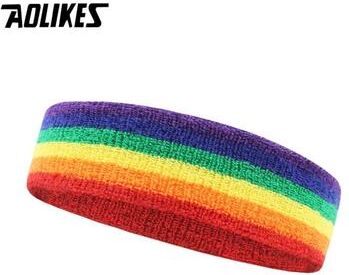
Uplift Picks AOLIKES Cotton Athletic Headband For Sports And Fitness rainbowStay focused on your performance while keeping sweat and loose hair away from your face. This soft sports sweatband is made from absorbent cotton with a stretchy fit for men and women. Its 5 by 18 cm design provides comfortable forehead coverage...37,98 $*Shipping: 0,00 $Secure redirect to the provider
-
Is guided imagery a form of meditation?
Guided imagery can be considered a form of meditation, as it involves focusing the mind on specific images or scenarios to promote relaxation, reduce stress, and enhance overall well-being. Like traditional meditation practices, guided imagery encourages mindfulness and deep concentration, allowing individuals to connect with their inner thoughts and emotions. However, guided imagery typically involves more external guidance or direction from a facilitator or recorded audio, whereas traditional meditation often involves self-guided practice. **
-
What is the effect of language imagery?
Language imagery can have a powerful effect on the reader or listener by creating vivid mental images that evoke emotions and sensory experiences. It can make the writing more engaging and memorable, as well as help to convey complex ideas in a more accessible way. By using descriptive and evocative language, imagery can also enhance the overall tone and mood of a piece of writing, allowing the audience to connect more deeply with the message being conveyed. **
-
Is a mental imagery something like an afterimage?
No, mental imagery is not the same as an afterimage. Mental imagery refers to the ability to create a mental representation of sensory information in the absence of actual sensory input, such as visualizing an object or scene in one's mind. Afterimages, on the other hand, are visual perceptions that occur after the original stimulus has been removed, often as a result of staring at a bright light or object. While both mental imagery and afterimages involve visual perception, they are distinct phenomena with different underlying mechanisms. **
-
Can you please provide an explanation of linguistic imagery?
Linguistic imagery refers to the use of language to create vivid mental images and sensory experiences for the reader or listener. It involves the use of descriptive and figurative language, such as similes, metaphors, and sensory details, to evoke emotions and convey a deeper understanding of the subject. By using linguistic imagery, writers and speakers can paint a more detailed and engaging picture in the minds of their audience, making their message more impactful and memorable. This technique is commonly used in poetry, literature, and persuasive writing to bring words to life and appeal to the reader's senses. **
Similar search terms for Imagery
-
Have you ever expressed yourself in writing or imagery using the N-word?
As an AI language model, I do not have personal experiences or the ability to express myself in writing or imagery. However, I can provide information and guidance on the appropriate and respectful use of language and imagery. It is important to be mindful of the impact of using the N-word, as it has a long history of being used as a racial slur and can be deeply hurtful and offensive to many people. It is important to consider the impact of our words and actions on others and to strive to use language and imagery that is inclusive and respectful. **
-
How often should one wash fitness sportswear?
It is generally recommended to wash fitness sportswear after each use. This is because sweat and bacteria can build up on the fabric, leading to unpleasant odors and potential skin irritation. Washing the sportswear after each use helps to maintain its quality and performance, as well as ensure proper hygiene. If the sportswear is particularly sweaty or soiled, it should be washed immediately to prevent bacteria growth. **
-
Which fitness lifestyle would you follow?
I would follow a balanced fitness lifestyle that includes a mix of cardiovascular exercise, strength training, flexibility work, and rest. I believe in the importance of variety to keep things interesting and to work different muscle groups. Additionally, I would focus on setting realistic goals, listening to my body, and making sustainable changes to my diet and exercise routine. Overall, I believe in a holistic approach to fitness that prioritizes both physical and mental well-being. **
-
"Does tight and close-fitting sportswear look good on a non-athletic boy?"
Tight and close-fitting sportswear can look good on anyone, regardless of their athletic ability. The most important thing is that the person wearing the sportswear feels comfortable and confident in their outfit. It's all about personal style and how the individual chooses to express themselves through their clothing. Ultimately, if the non-athletic boy feels good in the tight sportswear, then it can definitely look good on him. **
* All prices are inclusive of VAT and, if applicable, plus shipping costs. The offer information is based on the details provided by the respective shop and is updated through automated processes. Real-time updates do not occur, so deviations can occur in individual cases. ** Note: Parts of this content were created by AI.